Supply chains do not fail gracefully. They snap at weak points, and perishable goods magnify those fractures. A missed pickup, a power blip, a truck delayed by two hours on a hot afternoon, and a week of inventory becomes unsellable. Cold storage warehouses absorb those shocks. They turn temperature risk into a managed variable, not a coin flip.
Over the past decade, I have walked facilities from small refrigerated storage rooms tucked behind food distributors to sprawling cold storage warehouses outside major ports. The operations look different, but the goals rhyme: protect product integrity, create time flexibility, and buffer volatility from farm or factory to retail shelf. When done right, cold storage makes a supply chain resilient instead of brittle.
What resilience really means for temperature-sensitive goods
Resilience is the ability to keep commitments under variability, not just to run faster when things go well. For temperature-sensitive products, that translates to three practical capabilities. First, hold the right temperature range consistently. Second, move products in and out without thermal shock. Third, adapt quickly when plans change, whether that is a redirected truck, a weather event, or a market swing that shifts demand by 30 percent overnight.
Cold storage facilities are built for that. They stitch together envelope integrity, refrigeration capacity, backup systems, and disciplined handling practices. The result is more than cold air. It is controllable time. If a perishable item can sit another 48 hours at the correct temperature without quality loss, the network gets breathing room. That breathing room gets translated into fewer rushed loads, lower waste, and steadier service levels.
The core functions that make cold storage a resilience engine
The public often thinks of a cold storage warehouse as a giant freezer. The reality is closer to a campus of distinct microclimates. A modern cold storage warehouse might include deep-freeze rooms at minus 10 Fahrenheit for ice cream, blast-freeze tunnels for rapid temperature pull-down, chilled docks at 35 to 45 degrees for loading, and cool rooms held at specific bands for produce or pharmaceuticals. Each zone solves a different risk.
Temperature-controlled storage uses infrastructure to tame the daily chaos of the outside world. Insulated panels minimize heat transfer. Variable-speed compressors match load to actual demand, not just a fixed peak. Evaporators are placed to keep airflow even, which prevents hot spots that silently ruin pallets. Doors open and close thousands of times without losing the envelope because rapid roll-up mechanisms and dock seals prevent infiltration. It takes that level of detail to guarantee that strawberries in the back corner see the same climate as the cases near the door.
From a resilience perspective, the capability that matters most is staged control. You do not treat all items identically. A pharmaceutical pallet with a narrow 2 to 8 Celsius range goes straight to a monitored cooler. Frozen seafood can tolerate brief handling exposure, but never thaw cycles. Prepared meals with multiple ingredients might need both a blast freeze to lock quality and a tempered loading plan to avoid carton condensation. The warehouse turns product variability into standard operating procedures that protect the brand while keeping velocity high.
Time as inventory: how cold storage extends decision windows
Working in refrigerated storage teaches a simple truth. Every degree of stability buys time. When harvests run early or late, when a production line finishes at midnight instead of 6 p.m., or when a downstream retailer changes its order cut-off, cold storage absorbs that variability.
Consider a common case. A Texas poultry processor finishes a large run at 2 a.m., eight hours off schedule. If there is no appropriate cold storage near me, the product either sits in staging, risking temperature creep, or it forces a scramble for outbound transport that might not be available. With a nearby cold storage warehouse, the product moves into a closely controlled room where it can hold for 24 to 72 hours. Those extra hours allow planners to consolidate loads, avoid last-minute premiums, and still meet the retailer’s shelf-life expectations.
That principle matters in regional markets as well. A grocery chain serving San Antonio can use temperature-controlled storage San Antonio TX to pull inventory from a mix refrigerated storage of suppliers. If a border crossing slows one inbound lane by a day, product already secured in a cold storage warehouse San Antonio TX can fill the gap. The store stays stocked. Waste stays low. When you scale that across hundreds of items, resilience shows up as normal days rather than crises.
Power, redundancy, and the physics of staying cold
If you spend time around cold storage, you quickly learn respect for power. Cooling is a continuous requirement, not a periodic task. A well-built cold storage warehouse is designed around failure modes. Multiple compressors split the load so that a single unit outage cannot jeopardize a room. Backup generators are sized to run critical zones indefinitely, at least long enough to refuel. Facilities monitor suction pressures, discharge temperatures, and defrost cycles with a rigor that rivals data centers monitoring server uptime.
A hiccup still happens. The difference is the margin. Insulated panels and high-mass product buy hours of thermal stability. When we lost grid power at a facility near the Gulf Coast years ago, we had roughly four hours before the most sensitive cooler would drift outside spec if left untouched. Procedures kicked in. The team minimized door openings, shifted priority loads to the generator-backed rooms, and prepared a transfer plan that we ultimately did not need. Product never thawed. That is resilience measured in degrees and minutes.
Data is a guardrail, not a crutch
It is tempting to think sensors solve everything. They do not, but they prevent many avoidable mistakes. Continuous temperature logging with alerts catches a dock seal that did not fully engage or an evaporator fan that failed overnight. If your cold chain relies only on handheld thermometers at receiving and shipping, you are blind to what happens in the middle.
The best operators combine data with human judgment. For example, a spike on a graph might be perfectly fine if it aligns with a planned defrost cycle. A flat line might hide a sensor failure. Experienced teams ground-truth digital readings with spot checks, visual inspections for frost, and product core temperatures for critical items.
Traceability adds additional resilience. Knowing which pallet was in which room at what time allows targeted corrective actions. If an excursion does occur, you isolate the affected lots instead of discarding entire truckloads. That precision reduces losses and shortens recovery time.
Inventory strategies that pair with cold storage
Cold storage facilities enable smarter inventory strategies. Safety stock no longer means excess obsolescence if the product’s shelf life is protected by temperature control. You can carry a buffer for items with erratic demand without taking on disproportionate waste risk. That matters in categories like dairy, ready-to-eat meals, and protein, where demand can swing after promotions or holidays.
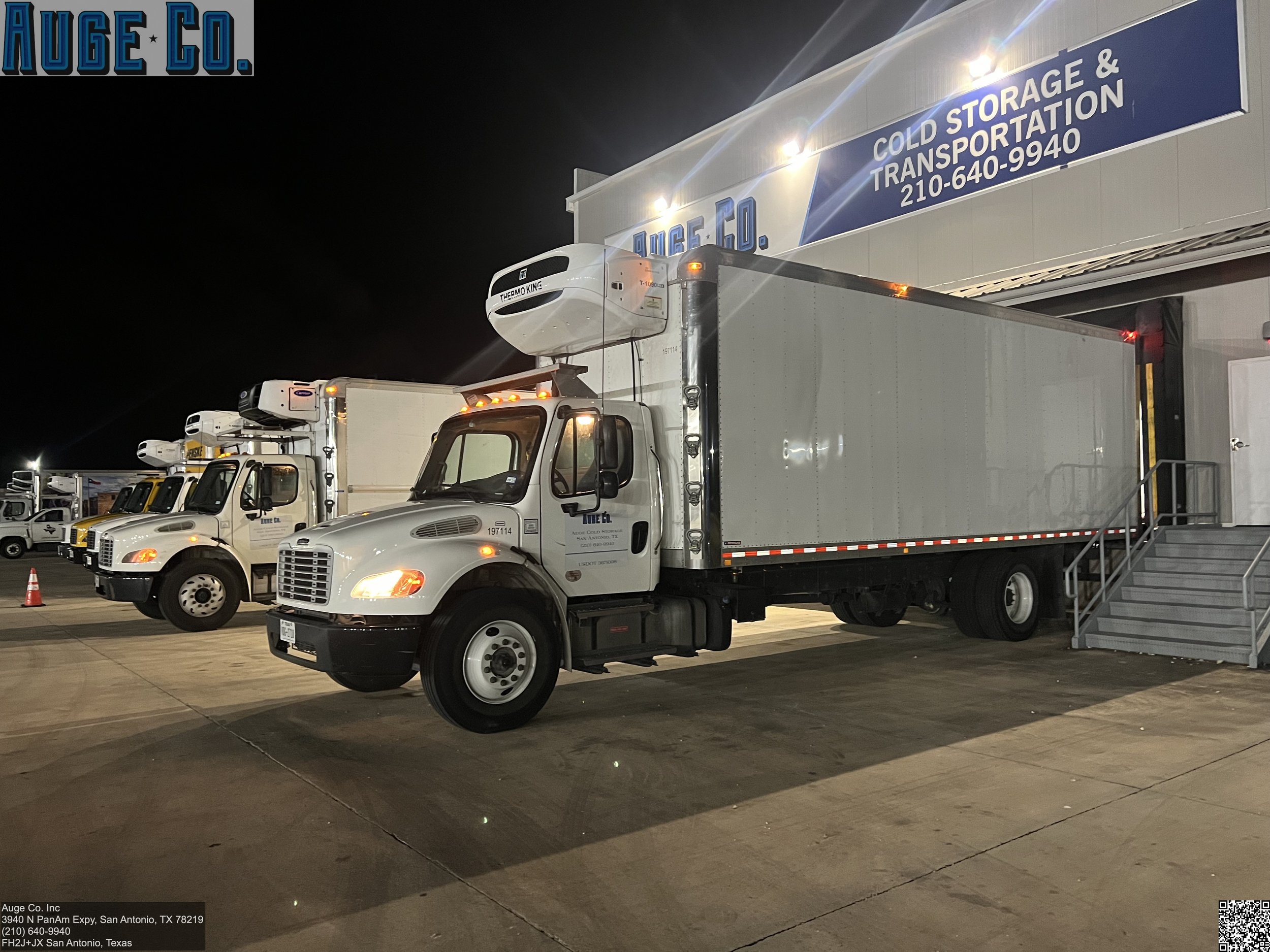
Cross-docking within refrigerated storage also improves resilience. Product that arrives pre-cooled can traverse the building with minimal dwell time but still remain within a protected envelope. It is not unusual to see a refrigerated cross-dock turn loads in under two hours while maintaining dock temperatures near 40 Fahrenheit and using dedicated staging lanes to avoid comingling. That speed reduces plug-in time for trailers, lowers congestion, and keeps product flowing even when one carrier falls behind.
Peak planning is another example. In hot climates, ambient temperatures push trailers and docks close to limits. A facility in San Antonio that provides temperature-controlled storage San Antonio TX can pre-cool staging areas before the afternoon heat spikes, then schedule high-velocity loading windows to keep product temperatures steady. In winter, the same facility may need to temper certain items to avoid condensation on arrival at store level. These are small operational choices that make or break real-world service.
The local factor: why proximity improves odds
Searches for cold storage near me or cold storage warehouse near me are not just convenience queries. Proximity matters. The longer product spends in transit, the more exposure it has to temperature risk, traffic, and scheduling surprises. Localized refrigerated storage reduces those exposures while enabling faster cycle times.
Take cold storage San Antonio TX. The city sits at an interesting crossroads. Supply routes run from border crossings to Texas metro areas and farther east. Produce, meat, and frozen goods all pass through. Having refrigerated storage San Antonio TX allows importers and domestic suppliers to stage inventory close to demand, then release it in smaller, more frequent batches based on real orders. When a storm system stalls trucks west of town, local stock prevents stockouts. That is resilience at the metropolitan level, not just inside a single warehouse.
Local facilities also strengthen relationships. Buyers can inspect product, vendors can coordinate last-mile distribution, and carriers can count on reliable turn times. Those interactions reduce the small frictions that compound into bigger failures during stressed periods.
Food safety and compliance as the foundation
Resilience without compliance is a mirage. Cold storage facilities operate under a web of regulations, from the Food Safety Modernization Act to state health codes and third-party audit frameworks like SQF or BRCGS. These are not just certificates on a wall. They codify disciplines that keep products safe when conditions turn chaotic.
Temperature mapping during commissioning proves that rooms hold steady across locations and seasons. Documented receiving procedures ensure that product arrives within spec before entering inventory. Cleaning and sanitation schedules prevent biofilm and mold buildup that can undermine cooling efficiency and food safety. Pest control in refrigerated spaces has its own playbook because pests seek warmth at doorways and ceiling penetrations. Each element reduces the probability of a disruption, and when disruptions do happen, it simplifies root-cause analysis and corrective actions.
Pharmaceutical storage adds another layer. Temperature-controlled storage for vaccines or biologics often requires tight ranges, calibrated probes, and chain-of-custody documentation. A facility that can reliably maintain 2 to 8 Celsius with mapped airflow and redundant monitoring turns a fragile segment into a manageable one. That kind of capability makes downstream clinics and pharmacies more reliable for patients.
People, training, and the rhythm of cold operations
Hardware sets the conditions. People make the system resilient. Working in cold rooms is physically demanding. You cannot keep staff effective if you ignore that reality. The best operations build workflows that respect human limits: rotation in and out of low-temperature zones, proper gear, warm break areas, and pacing that avoids fatigue.
Training focuses on detail: how long a door should be open during a pick, how to stage pallets to promote airflow, when to break down a mixed-temperature load, how to read a data logger and respond to excursions. Forklift drivers learn to avoid ramming pallets into evaporators or damaging door curtains, because a single dent can change airflow patterns. These skills are not glamorous, but they differentiate a facility that coasts during calm periods from one that holds steady under stress.
Energy use, sustainability, and the long game
Refrigeration is energy-intensive. That is a fact, and power prices are not trending down in most markets. Resilient cold storage warehouses invest in efficiency to keep costs predictable and to reduce failure risk. Variable frequency drives on compressors and fans, high-efficiency motors, LED lighting with occupancy controls, and demand response programs all matter. Facilities adopt floating head pressure controls to match system pressures to ambient conditions, shaving load without compromising temperature. Some sites add rooftop solar to cover daytime loads and use thermal storage or pre-cooling strategies to flatten peaks.
These choices pay operational dividends. Lower energy intensity reduces heat rejection, which reduces component stress, which reduces failure frequency. That chain strengthens resilience. It also matters for corporate sustainability targets, which increasingly shape where brands place their inventory. A warehouse that shows a verifiable kilowatt-hour per pallet reduction becomes not just a cost center, but a strategic asset.
Practical considerations when evaluating a cold storage partner
Choosing a cold storage warehouse is less about glossy brochures and more about what happens on a Tuesday at 3 a.m. when a truck arrives early and the dock is full. Walk the facility. Ask operators to show you live temperature graphs, not last month’s report. Look at door seals, floor conditions, and the frost profile around evaporators. Review generator test logs and maintenance records. Watch a pick, pack, and load cycle end to end. The small details will tell you more than any sales pitch.
If you operate in South Texas, visiting a cold storage warehouse San Antonio TX will clarify the local strengths and constraints. Note the drive times to your stores or production sites. Confirm the range of temperature zones available. Ask about blast freeze capacity if you need rapid pull-down. Verify that the team understands your product’s specific sensitivities, whether that is ethylene exposure for produce or allergen segregation for prepared foods.
Here is a brief field checklist that I have used to avoid painful surprises later.
- Power and backup: generator capacity, fuel contracts, test cadence, and which rooms are on protected circuits. Temperature control: zone options, mapping documentation, and live monitoring with alert thresholds and escalation paths. Throughput and handling: dock count, scheduling system, average dwell, and demonstrated performance during seasonal peaks. Food safety: audit results, corrective action history, sanitation plan, and training records that match your product’s risk profile. Data and traceability: WMS capabilities, lot and date-code tracking, and integration options for your ERP or TMS.
Edge cases and trade-offs that deserve attention
Not every product benefits equally from the same cold strategy. Leafy greens, for instance, suffer from freeze damage at relatively high temperatures compared to hardier produce. A facility that blends produce and frozen protein must never prioritize one at the expense of the other when a heat wave pushes capacity. Segregation and airflow patterns prevent ethylene-sensitive items from degrading next to emitters like apples. With seafood, the difference between a steady 28 Fahrenheit and a fluctuating range can be the difference between market-grade and discounted sale.
Trade-offs also show up in inventory policy. Carrying more stock in a cold storage warehouse buffers against demand spikes, but it can add handling touches and storage fees. You should model the total landed cost under variability, not just the steady-state cost. Often, the cost of a few extra pallets held locally is far less than the margin loss from out-of-stocks or emergency freight.
Transportation presents another choice. Plug-in refrigerated trailers in a yard can act as overflow cold storage during peaks. That flexibility is helpful, but yard management and power supply become critical. If the site cannot support consistent shore power with monitoring, using trailers as a primary buffer introduces risk. A better approach is to use them as short-term capacity while expanding in-building space or activating a nearby partner.
The role of design in future-proofing cold storage
Design choices today shape resilience five years from now. Facilities that plan for modular expansion can add rooms and compressors without disrupting existing operations. Higher clear heights increase cubic capacity without enlarging the footprint, but only if airflow and racking design protect temperature uniformity at the top tiers. Door placement matters much more than most people think. A door aligned with prevailing winds creates infiltration headaches. A door that opens into a short vestibule with dual seals preserves the envelope during busy periods.
Digital infrastructure belongs in the design conversation. The wiring and network backbone should support dense sensor arrays, camera coverage, and integration with automation later if needed. Even if you do not automate now, leaving space and power for robotic palletizers or automated mobile robots prevents expensive rework. And resist the temptation to centralize all cooling into a single massive unit. Distributed systems give you graceful degradation rather than catastrophic failure.
What resilience looks like on a bad week
Picture a week in August. Temperatures push triple digits. A carrier misses three appointments. A retailer pulls forward a promotion after a competitor’s supply falters. At the same time, a small power dip hits part of the city.
In a well-run cold storage environment, dock scheduling flexes to prioritize high-risk loads. Door cycles lengthen slightly, but dock temperatures hold because staff follow disciplined staging. The generator covers the critical rooms, while nonessential areas coast on insulation and product mass. Inventory released two days earlier to local cold storage near me serves as a buffer for the retailer, allowing store shelves to stay full without emergency premiums. Waste stays within normal ranges. Afterward, the facility reviews temperature logs, finds a minor variance in one cooler, and replaces a fan motor before it becomes a true failure. Customers barely notice anything unusual.
That is the point. Resilience is not flashy. It shows up as steady service when conditions are anything but steady.
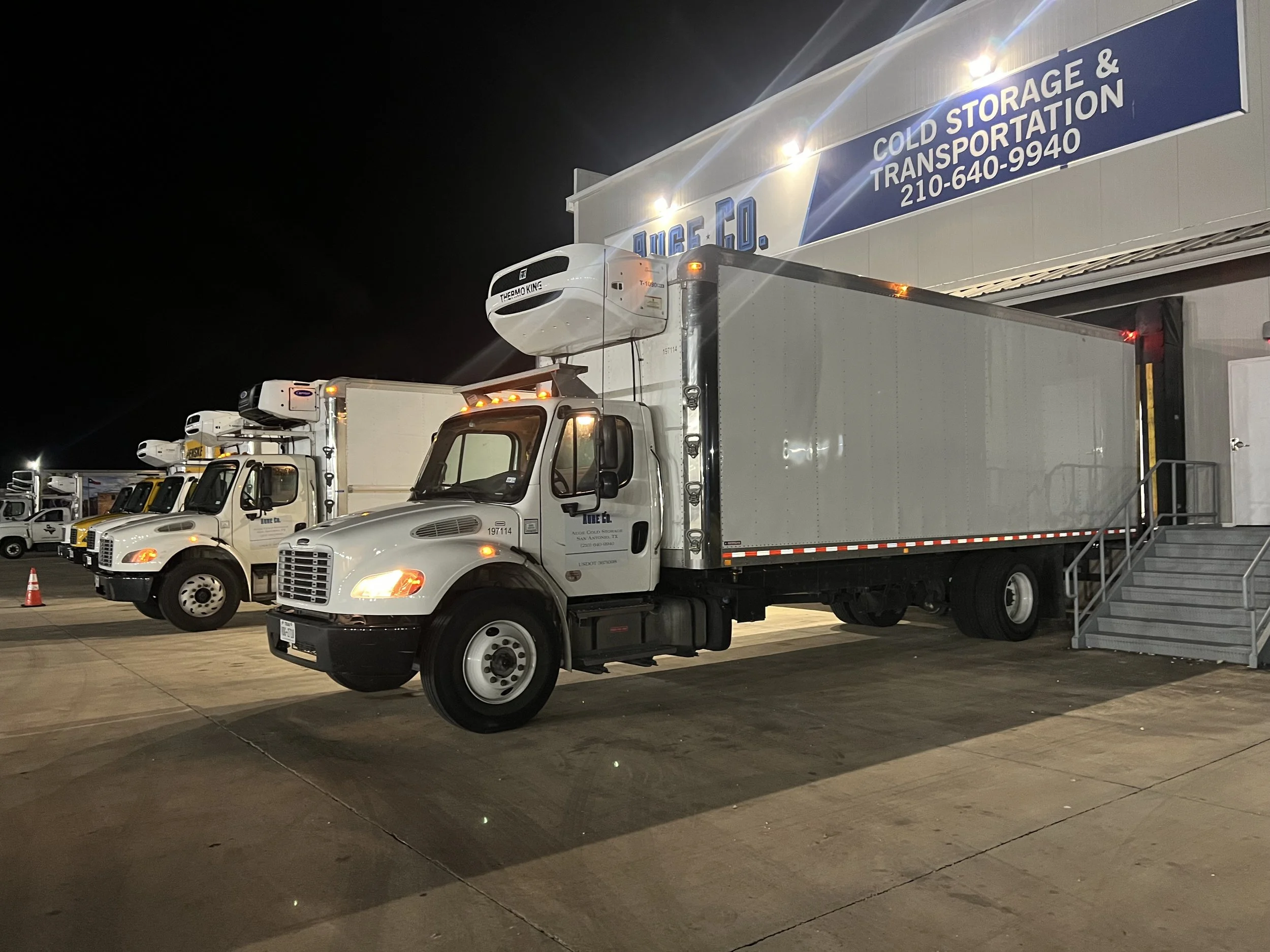
Bringing it together for operators and buyers
Cold storage is not simply a place to keep things cold. It is a set of capabilities that convert temperature risk into operational flexibility. For producers, it means confidence to run at efficient batch sizes without overexposing product. For retailers and foodservice operations, it means fewer out-of-stocks and less shrink. For logistics teams, it means schedules with real buffers that do not break when the first variable changes.
If you are evaluating options, especially in a regional hub like San Antonio, look for refrigerated storage San Antonio TX that demonstrates both technical competence and operational maturity. You want consistent temperature control, fast and predictable turn times, and a team that can pick up the phone at odd hours and solve problems. The same principles apply anywhere you search for a cold storage warehouse near me, whether you operate in the Upper Midwest with harsh winters or along the Gulf with long heat seasons.
The companies that treat cold storage as a strategic node, not an afterthought, see measurable gains. They waste less, sell more, and sweat fewer last-minute crises. Most important, they deliver on promises to customers and patients who never think about the thermal journey their product took. That quiet reliability is the signature of a resilient supply chain.
A brief note on cost realism
Cold storage carries higher per-pallet costs than ambient warehousing. Electricity, equipment, and specialized labor drive that difference. The return shows up in avoided losses and stabilized service. Track the right metrics. Rather than focusing only on storage rates, monitor spoilage as a percentage of throughput, on-time in-full performance, emergency freight incidence, and lost sales due to stockouts. When those numbers improve, the total cost picture favors temperature-controlled storage.
Pricing also varies by market conditions. Tight capacity in fast-growing metros can push rates higher for a stretch. If you maintain flexibility on slotting, commit to predictable volumes, and collaborate on forecasts, you can often negotiate better terms. Facilities appreciate partners who share plans and help them plan labor and energy loads with fewer surprises.
Final thoughts for teams on the hook for results
If your product’s quality depends on temperature, treat cold storage as an investment in control. Start with the basics: the right zones, reliable power, and disciplined handling. Layer in data and traceability. Build relationships with operators who pick up on the second ring. Place inventory closer to where it will be used, whether that is a cold storage warehouse San Antonio TX or another regional node that shortens the last mile.
When plans change, as they always do, a good cold storage network will give you options. Options are the currency of resilience. And in the messy, human world of supply chains, options are what keep promises intact.
Auge Co. Inc 3940 N PanAm Expy, San Antonio, TX 78219 (210) 640-9940 FH2J+JX San Antonio, Texas