Cold chain decisions rarely come down to a single variable. In San Antonio, the right location for a cold storage warehouse turns on a cocktail of factors: inbound lanes off I‑35 and I‑10, labor draw from the South and East Sides, trailer parking that doesn’t choke access roads, and whether your broker can actually get you the amps you were promised. Add cross‑docking pressure from same‑day grocery and pharma, plus the city’s role as a northbound gateway from Laredo, and you have a market where a few miles can change your operating math.
I’ve helped food distributors, protein importers, and e‑commerce grocers pick between cold storage facilities scattered across industrial parks on the Northeast and Southwest arcs, as well as closer‑in logistics hubs with tighter footprints and faster turn times. The trade‑offs are consistent, but the outcomes vary by service mix. You can’t treat a poultry consolidator the same way you’d site a micro‑fulfillment grocer with final mile delivery services in San Antonio TX. What follows is a field‑level comparison of where a cold storage warehouse wins, where a cross dock warehouse makes more sense, and how to match infrastructure to your actual demand profile.
The lay of the land: freight flows and temperature bands
San Antonio sits at the crossroads of I‑35 and I‑10, with I‑37 pulling freight down to Corpus Christi. Most import‑heavy refrigerated storage funnels north from Laredo, often pre‑cleared, looking for a cross dock near me that can sort, relabel, and push out to Central Texas and the Gulf Coast. Fresh produce and protein behave differently from frozen. Fresh tolerates hours, not days. Frozen loves scale, tight doors, and dense racking.
Three temperature bands matter most: ambient staging at 55 to 65°F, cool at 34 to 45°F, and frozen at 0°F or below. Some temperature‑controlled storage San Antonio TX locations also maintain deep‑frozen at minus 10 to minus 20°F, generally at higher power costs and with heavier panels. A mixed facility might run two or three temperatures, which helps with SKU diversity but complicates load planning, air balance, and sanitation schedules. If your SKU set skews toward a single band, a specialized box often beats a Swiss Army knife.
Industrial parks versus logistics hubs: what you actually buy with each
Industrial parks in this market tend to sit on the edges: Northeast along I‑35 toward Schertz and Live Oak, Northwest along Loop 410, and Southwest between Lackland and the Port San Antonio area. Pros and cons line up predictably. Parks offer bigger footprints, better trailer parking ratios, and fewer neighbors complaining about diesel at 4 a.m. Power upgrades are usually more straightforward. But parks cost you minutes on every run, and if you’re running 20 to 40 turns a day, those minutes compound into real money.
Closer‑in logistics hubs, including infill near the 410 and 35 junctions or on the East Side, trade land for access. You win on driver time, often shaving 10 to 20 minutes per turn against a far‑edge park location. If your promise is rapid replenishment and same‑day cycles, that’s the difference between hitting a cut‑off and paying overtime. The penalty is space. Yard depth gets tight, curb cuts are limited, and city utilities can be quirky. If you need 80 trailer spots and eight megawatts, look elsewhere.
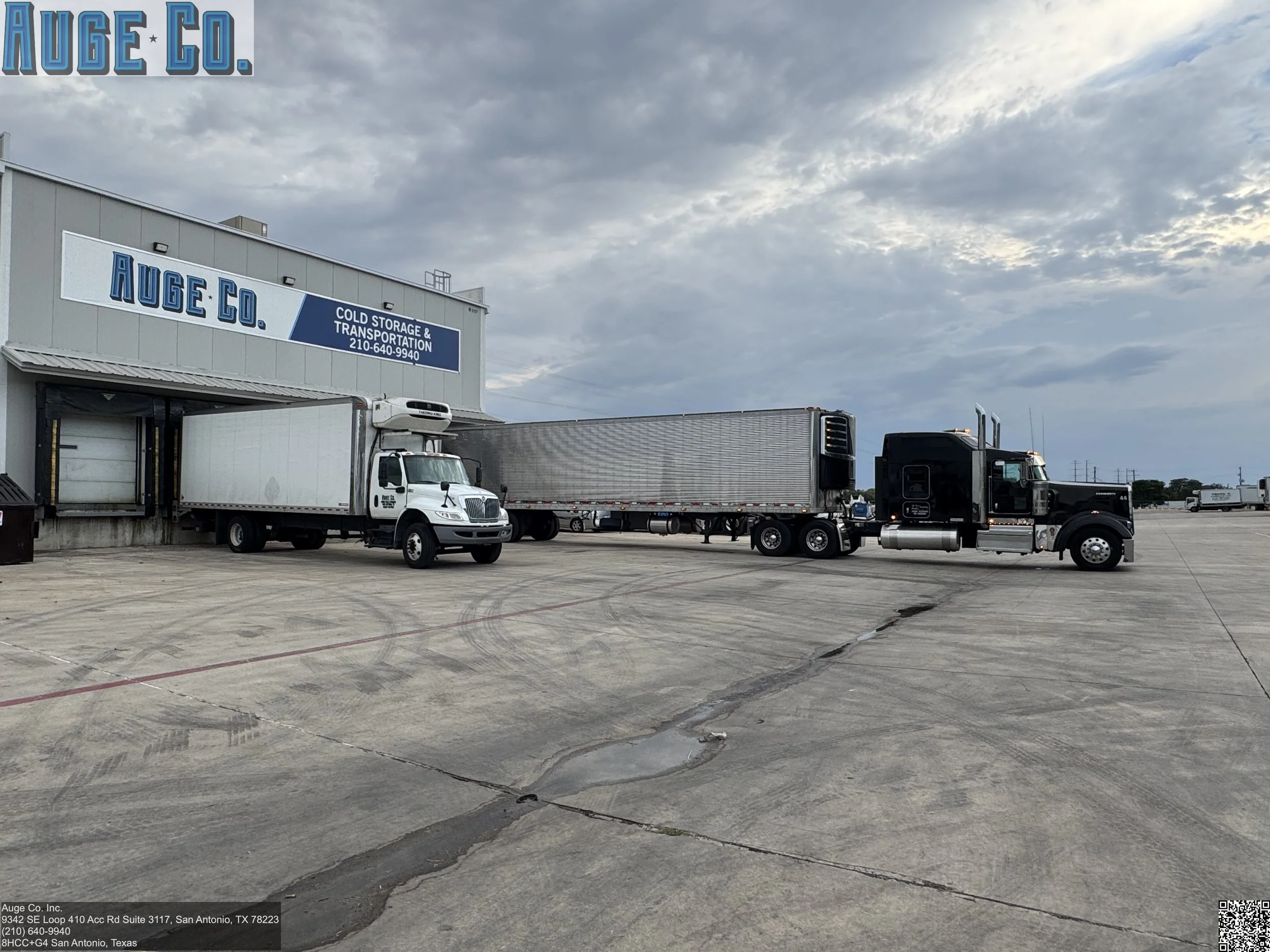
I keep a back‑of‑envelope rule. If more than 60 percent of your outbound drops land within the metro, pick a hub and buy back time. If 60 percent or more of your movements are long‑haul or consolidation for Austin, Houston, and Dallas, a park will treat you better, especially when your yard becomes a staging area for missed appointments.
Power, insulation, and the HVAC reality
Cold storage near me is a nice phrase until you ask for actual amperage. New builds promise 3,000 to 6,000 amps at 480V three‑phase for mid‑size boxes, with blast freezers needing more. Retrofits inside general industrial parks might top out at 2,000 to 3,000 amps without expensive utility work. Deep‑frozen rooms draw steadily and punish cheap doors and leaky dock pits. Insulation spec matters: six to eight inches of polyiso or PIR on roofs, four to six inches on walls, and insulated, heated floors for freezers so you don’t frost‑heave the slab.
In a hub with older stock, you’ll sometimes see undersized panels and improvised defrost cycles that struggle in summer. That’s not theoretical. A client moved into an older 60,000‑square‑foot refrigerated storage San Antonio TX space with a patchwork of R‑values. The amp margin looked fine on a cool day. In July, with 105°F outside, the freezers ran flat out, the breakers kissed their limits, and compressors short‑cycled. A modest dehumidification unit and a change to the defrost schedule fixed it, but the lesson stuck. Ask to see heat‑load models at historical high temperatures, then corroborate with interval data if you can.
Cross‑docking pressure and door math
Cross‑docking lives or dies at the dock doors. For heavy cross‑docking, I want a minimum of one dock door per 2,500 to 3,500 square feet of operational space, ideally clustered with clear traffic flow. Facilities designed as temperature‑controlled storage afterthoughts sometimes ration doors to get more pallet positions. That’s fine for long dwell time, not for a cross dock warehouse that turns trucks in under an hour.
Door placement matters more than counts. Straight shots that keep inbound on one side and outbound on the other simplify scanning and food safety. In some infill hubs, columns and legacy office build‑outs create blind spots and pinch points you can’t fix without structural work. I’ve seen teams burn minutes on every move because pallets traveled an S‑curve around a column line. Over a month, that cost more than a second forklift.
If your question begins with cross dock near me, add one more: how many shared trucks will arrive in a two‑hour window, and can the yard actually hold that peak? In parks, you sometimes get the luxury of a deep yard to stack. In hubs, street queuing can get you in trouble with the city fast.
Labor and shifts: pulling from the right neighborhoods
San Antonio’s labor pool isn’t uniformly distributed. On the South and East Sides, you can staff dock teams for the night shift more consistently than in the far North. Final mile delivery services that target urban routes prefer hubs because drivers spend less time commuting and more time moving. For freezer work, turnover spikes in summer. Teams that succeed tend to mix flexible shift premiums with thoughtful ergonomics: anti‑fatigue mats, heated vests, and realistic break schedules.
Industrial parks shine when you need big teams for seasonal peaks like produce surges or holiday protein. The parking alone can determine success. Try running 120 people across two shifts at a tight infill hub and you’ll understand the constraint at 5 p.m. More than once, clients have paid above market just to offset lousy parking. It would have been cheaper to pick a park and keep wages closer to baseline.
Compliance, food safety, and audit strategy
For cold storage facilities handling USDA or FDA‑regulated goods, audits follow you. Location matters less than process, yet the design of a building helps. Clear segregation between allergen handling, raw and ready‑to‑eat zones, and well‑designed hand‑wash stations cut audit time. Parks built for food users will often have these bones, while general logistics hubs retrofit them in a way that works but feels forced.
Avoid mixed‑tenant buildings that share dock aprons for high‑risk products unless you can control scheduling. Shared aprons can introduce contamination risks or forklift cross‑traffic that auditors don’t like. Temperature‑controlled storage with food‑grade floors, properly sloped and sealed, saves you headaches. If the landlord balks at covenants that lock in sanitation standards for neighboring tenants, that’s a flag.
Cost structure and where the money really goes
Lease rates tell part of the story. In San Antonio, modern cold storage warehouse asking rates tend to run multiples of ambient industrial space because of the build cost: insulated envelope, specialized doors, slab heating for freezers, robust electrical, and refrigeration equipment. But operating expense swings more on power usage, maintenance, and labor scheduling than on base rent. Cross‑docking can offset rent through higher turns per door and lower average dwell days. Long‑dwell frozen storage likes cheaper land and dense racking.
Transportation dwarfs everything for many operators. If a park site adds eight miles per turn and you run 40 turns daily, you absorb 320 extra miles. At roughly 2.5 to 3.5 dollars per mile fully loaded local, that’s 800 to 1,100 dollars per day, or 20,000 to 28,000 dollars per month. A higher rent in a hub can pencil out quickly if it trims those miles. Conversely, if you’re a consolidation play feeding Dallas and Houston, the extra minutes to a park are meaningless against long‑haul linehauls.
Matching facility type to service model
Operators often start with a general ask like cold storage near me or cold storage warehouse near me, then discover that their real need isn’t a single box but the right mix of rooms and docks to support a service promise. The most common scenarios in San Antonio sort into a few buckets.
- Regional consolidation with frozen dwell: Choose a park with room for dense racking, strong power, and at least a few blast cells if you process inbound warm. The ability to stage 40 to 60 trailers matters more than neighborhood access. Fresh inbound from Laredo feeding Central Texas: Pick a hub on the east or northeast arcs. You need fast cross‑docking, simple door flow, and quick access to I‑35 north. Drive time beats pallet density. E‑grocery and convenience store replenishment with final mile delivery services Antonio TX: Go infill with smaller rooms, more doors, and space for vans or box trucks. Yard management becomes as important as freezer spec. Pharma and high‑value temperature‑controlled storage: A hybrid can work, but ensure redundant power, tight humidity control, and layered access. Think less about yard depth, more about security and validation documentation.
Small design choices with outsized impact
The best facilities in this market get the little things right. Dock pits must be insulated and well sealed. Old pits leak cold like sieves, which forces compressors to work harder and creates condensation risks on hot days. Rapid‑roll doors between zones reduce temperature creep. Overhead fans in cool rooms even out stratification, reducing sensor whipsaws that set off alarms at 2 a.m.
Don’t skimp on floor heat in freezer rooms. I once watched a tenant inherit a freezer without operable glycol loops. Within a year, frost heave cracked the slab, and they spent six figures on patchwork. The fix cost more than doing it right. Similarly, LED lighting with sealed fixtures simplifies washdowns and improves audit scores. These are mundane choices that separate consistent operations from chronic headaches.
Yard, circulation, and neighbor tolerance
Industrial parks give you turning radii that make life easy for 53‑footers. You can stage, requeue, and resequence loads without calling the city. Hubs demand choreography. If you share an apron or entrance with another tenant, plan for peak conflicts. Local enforcement in San Antonio can be patient until it isn’t, especially if queuing spills to public roads.
Noise and light pollution matter as much as diesel fumes to neighbors in residential‑adjacent hubs. Install downward‑facing LEDs, set quiet hours if possible, and build the case with your landlord that controlling yard habits lowers complaint risk. I’ve seen one tenant forced to move night staging to a different site because of neighbor complaints, which wrecked their fast‑turn value.
Utilities and permitting in practice
Getting a permit for a cold storage warehouse retrofit in San Antonio typically takes eight to 16 weeks, longer if you alter egress or add heavy electrical. Utility lead times swing seasonally. New transformers can run 12 to 30 weeks depending on supply. In industrial parks with recent development, utilities may already be sized for cold users, which cuts months off. In infill hubs, expect at least one surprise: a water line that needs upsizing for sprinklers, or a gas service that can’t support your defrost plan.
Coordinate early with CPS Energy and SAWS. Bring a stamped load letter and a refrigeration schedule, not just a wish list. Landlords are friendlier when you come with specifics and flexibility, for instance an interim generator plan or staged commissioning. Cold storage facilities live and die by go‑live dates; missing produce season by two weeks can erase margin for the quarter.
Technology and WMS fit
Your warehouse management system needs to reflect the building, not the other way around. In cross‑docking, a lightweight WMS with robust ASN handling and simple RF scanning might beat a heavy system that slows door turns. For deep storage, lot tracking and FEFO logic, integrated with temperature sensor data, keeps recalls surgical. Connectivity can be tricky in older hubs, where concrete and dock equipment attenuate signals. Budget for extra access points and industrial‑grade tablets that survive cold rooms.
If you promise real‑time visibility to customers searching for refrigerated storage San Antonio TX, align your alerts with reality. Too many operators flood clients with low‑value pings, then miss the critical temperature excursion because it blended with noise. Tune thresholds with a week of live data, and train overnight teams to escalate quickly.
Where “near me” helps and where it misleads
Search habits push people to type cold storage San Antonio TX or cross dock San Antonio TX and sort by distance. That’s a start, not a strategy. Nearness to your customers matters, but near what? Near your drivers’ homes, so you cut turnover? Near I‑35 to shave a daily 90 minutes off linehaul? Near a grocery chain’s DC to hit tight appointment times? A mile saved in the wrong direction is still a waste.
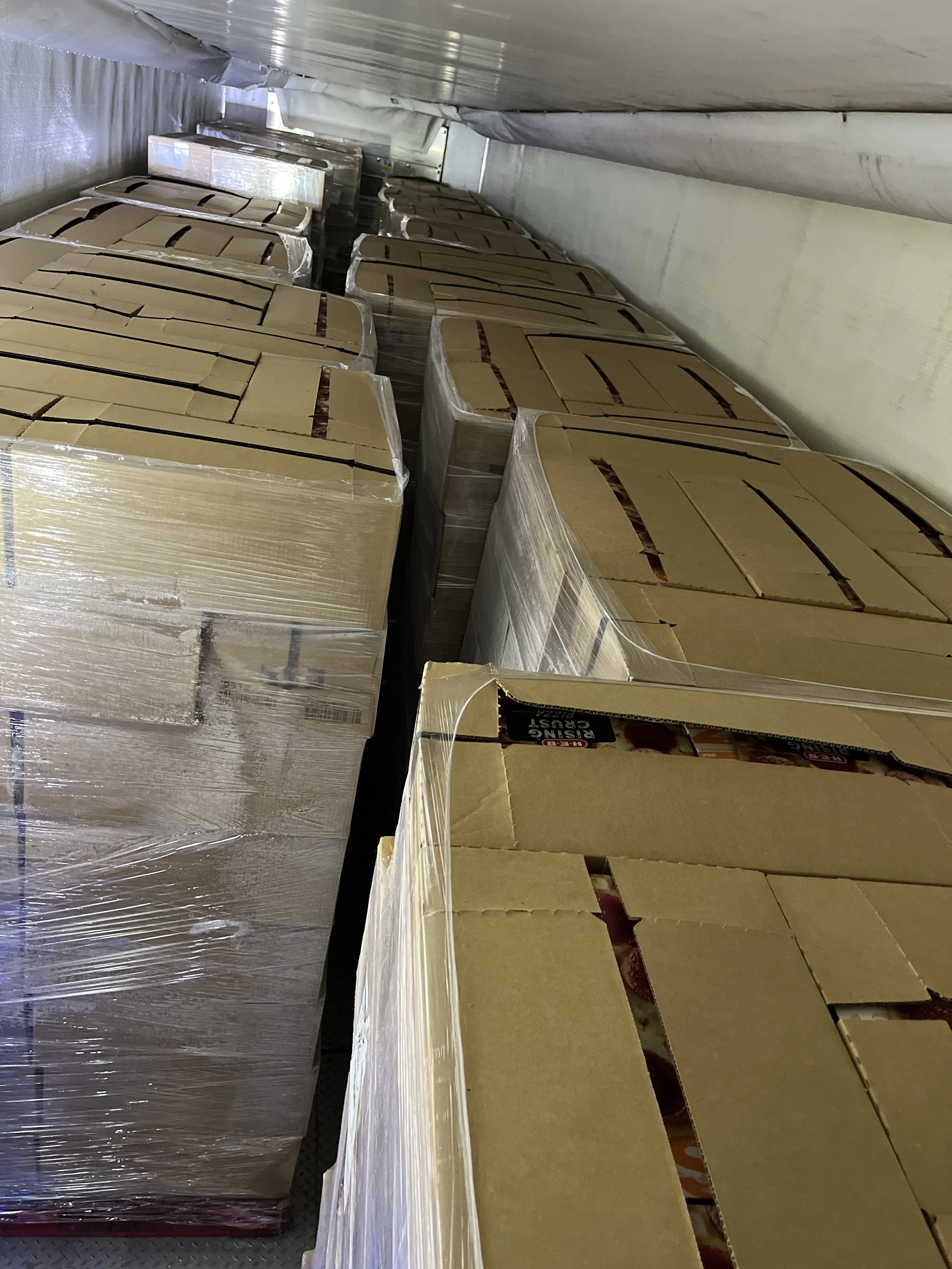
Think in lanes and time windows, not pure geography. A site that is 12 miles away but on the right side of the highway merge can beat a site that is six miles of stoplights and school zones. Build a test day in Google or your TMS, with real departure and arrival windows, then compare sites over a week’s worth of loads. Hard numbers beat vibes.
A note on final mile out of cold rooms
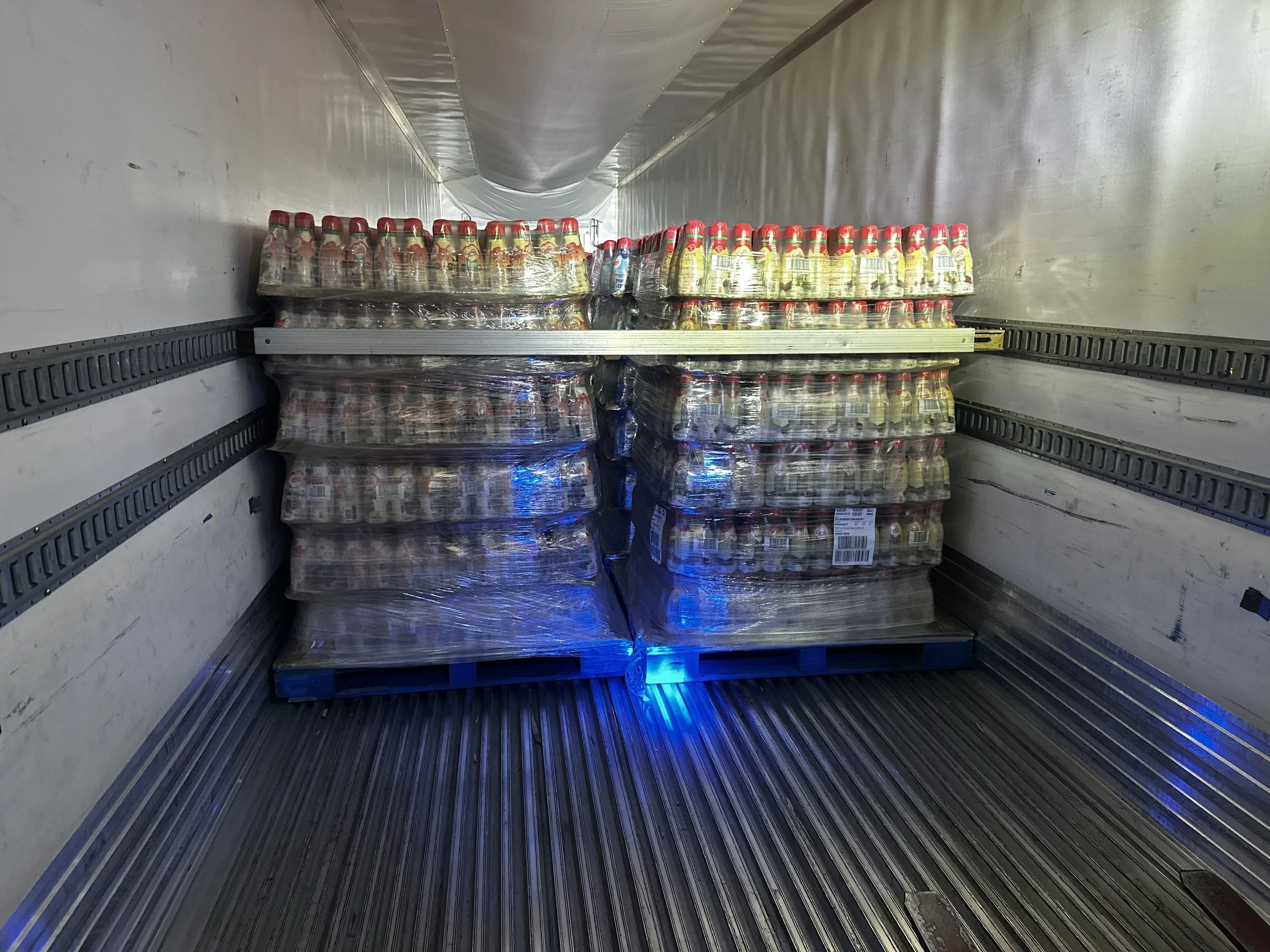
Final mile delivery services don’t love long dwell times at the dock. Vans and small box trucks want quick turns, dedicated staging for tote handoff, and room for returns triage. In a hub, you can integrate a small ambient room where drivers preload route kits, then back into a refrigerated door for the briefest possible dwell. In parks, keep a dedicated van lane to avoid crossing paths with 53‑footers. Mixing the two without lanes invites fender benders and delays.
One grocer solved this by setting fixed dock windows for parcel vans between 5 and 7 a.m., then handing the apron to TL and LTL afterward. It felt rigid, but it cut conflicts and made forecasts cleaner for labor. Cold storage is only as good as the choreography that surrounds it.
When to blend park storage with hub cross‑docking
The best setups in San Antonio often blend both worlds. You hold bulk frozen inventory in a lower‑cost park facility, then feed a smaller, nimble hub for cross‑docking and short dwell. That takes coordination and an appetite for added transfers, but it can slash last‑mile time while keeping power‑hungry storage in a building designed for it. The transfer cost per pallet, usually a few dollars, often disappears in the savings on transportation and service improvements.
Tie the two locations with a standard operating window. For example, stage replenishment runs at night when traffic is light, arrive at the hub before the first outbound cut, and keep the hub lean on inventory outside of fast movers. This is where a cross dock warehouse near me serves the city while the park facility anchors your cost structure.
How to evaluate a candidate site without rose‑colored glasses
Here is a focused checklist I use to compare industrial parks and hubs for temperature‑controlled storage:
- Door count and flow: at least one door per 2,500 to 3,500 square feet for heavy cross‑docking, with clean inbound/outbound separation. Power and heat load: verified amperage with interval data and heat‑load modeling at peak summer temperatures, plus slab heat for freezers. Yard and parking: trailer and employee parking that fits peak staffing and staging without street spillover. Drive time reality: run actual route simulations for a week’s loads, not just distance, covering I‑35, I‑10, and key customer DCs. Audit and food safety bones: food‑grade floors, segregated zones, washdown details, and landlord covenants that protect standards.
What San Antonio’s growth means for the next five years
Industrial development in San Antonio has accelerated, with more speculative boxes and a handful of purpose‑built cold projects. Power constraints will shape where deep‑frozen capacity lands. Expect most large‑scale freezer projects to concentrate in parks with ready utility capacity, while hubs focus on multi‑tenant refrigerated rooms and cross‑docking. As grocery delivery and meal kits ebb and flow, flexible build‑outs that can swing between cool and ambient will hold value.
Laredo’s continued dominance as a border crossing keeps the I‑35 corridor busy. Cross‑docking that can handle bilingual labeling, quick USDA inspections when needed, and nimble rework will cold storage warehouse stay in demand. Meanwhile, final mile expectations creep upward. Two‑hour windows for perishables used to be ambitious. Now, customers expect tighter slots and proactive communication about temperature integrity. Facilities that bake visibility and speed into their layout will outperform those that lean purely on cubic feet.
Bringing it together for your operation
There is no single answer to the question of industrial park versus hub for cold storage San Antonio TX. It depends on your product mix, service promise, and lane economics. If you move high volumes of frozen goods with long dwell, chase parks with power, parking, and racking density. If you live on cross‑docking and short dwell across the metro, favor hubs that gift you minutes every turn, even if rent looks steeper on paper. Many operators will do best with a blended approach, anchoring inventory in a park and keeping a nimble cross‑dock close to the action.
Start with your routes, door turns, and temperature profile. Validate power and envelope specs with numbers, not brochures. Walk the yard at peak hour, not at noon on a Wednesday. Pull a week of sample loads through a candidate site, even if you do it on paper with your dispatch team. The right site won’t be the one that just happens to show up first when you search cold storage warehouse near me. It will be the one that lets your team hit the cut‑offs, protect the product, and sleep through July without compressor alarms lighting up your phone.