Finding the right cold storage provider looks straightforward at first glance. You search for a cold storage facility near me, scan a few websites, compare a couple of rates, and pick the one with available space. Then the first product recall hits your industry, or you miss a temperature excursion alert over a holiday weekend, and suddenly the gaps in that rushed decision are painfully obvious. I have seen businesses lose an entire season’s margin because they skipped a site visit, trusted a generic spec sheet, or chased the lowest monthly rate without understanding power redundancy and response protocols. The difference between good cold storage and great cold storage shows up when something goes wrong.
This guide focuses on how to avoid the common mistakes that derail otherwise careful teams. It applies broadly across food, beverage, floral, pharma, and nutraceuticals, with local color for anyone searching for refrigerated storage near me and especially for operations looking for a cold storage facility San Antonio TX or refrigerated storage San Antonio TX. San Antonio sits at the crossroads of I‑10 and I‑35, with punishing summer heat and a logistics web running to both coasts, which makes the fundamentals even more important.
What you are actually buying when you buy cold storage
You are not buying square footage and a thermostat. You are buying risk management, time, and predictable quality. The best providers think like manufacturers and carriers combined. They manage equipment uptime, airflow, loading discipline, pest control, data integrity, and emergency response. A cold storage facility that charges a bit more but prevents a single load loss pays for itself many times over.
There are tiers of service that matter more than marketing language. Some facilities operate like landlords with temperature control. Others run like partners, integrated into your production schedule, your carrier pool, and your food safety plan. Deciding which one you need starts with your product profile and your failure modes.
Mistake 1: Ignoring product reality in favor of generic specs
A cheese importer, a craft brewery, and a vaccine distributor can all use refrigerated storage, but they do not need the same capabilities. I have watched teams insist on a blanket 34 to 36 Fahrenheit set point because that is what a prior vendor offered. It worked for produce, then caused chill haze and flavor issues for unfiltered beer. Another common mismatch arises with frozen desserts that need minus 10 to minus 20 Fahrenheit, while a facility's freezers bottom out at minus 5 during peak load. On paper, both are “frozen.” In practice, you will see soft corners and recrystallization.
Get precise about:
- Temperature bands you actually need across receiving, storage, and loading, including short dwell time in docks. Sensitivity to humidity. Chocolate, nuts, dry cured meats, and certain nutraceuticals respond badly to uncontrolled moisture. Airflow requirements. High-velocity fans prevent stratification in high-bay rooms but can desiccate exposed product. If you wrap lightly or use vented cartons, airflow becomes part of the spec. Tolerance to door openings and staging. If your product can handle 10 to 15 minutes at ambient during picks, your options widen. If it cannot, you need climate-controlled staging and disciplined pick paths.
When a facility says “we hold 0 to 34 to 55,” translate that into actual thermal performance. Ask for data traces, not a brochure. If you are looking for a cold storage facility San Antonio TX, insist on summer traces. You want to see how the system holds during July afternoons when the grid strains and dock doors cycle constantly.
Mistake 2: Confusing wattage with resilience
Providers will talk about horsepower, condenser tonnage, and kW ratings. That is fine, but what you need is resilience when things break. Power redundancy and service contracts determine whether a two-hour hiccup becomes a headline.
San Antonio and much of Texas live with weather volatility and grid events. For a cold storage facility in this region, confirm the presence and capacity of generators, fuel arrangements, and priority service with utilities. Some facilities have full backup that can run all rooms and dock lights for 48 to 72 hours. Others have partial backup designed only to protect critical rooms by elevating set points temporarily and limiting door cycles. Both models can work, but you must know the plan and decide if it fits your risk tolerance.
Also dig into maintenance cadence. Ask how often evaporators are cleaned, how often sensors are calibrated, and whether the facility uses remote monitoring with active alerts to humans, not just dashboards. A provider that can produce a last-12-month preventive maintenance log shows discipline. If the chief engineer cannot tell you the age of compressors within a year or two, that is a red flag.
Mistake 3: Underestimating the dock
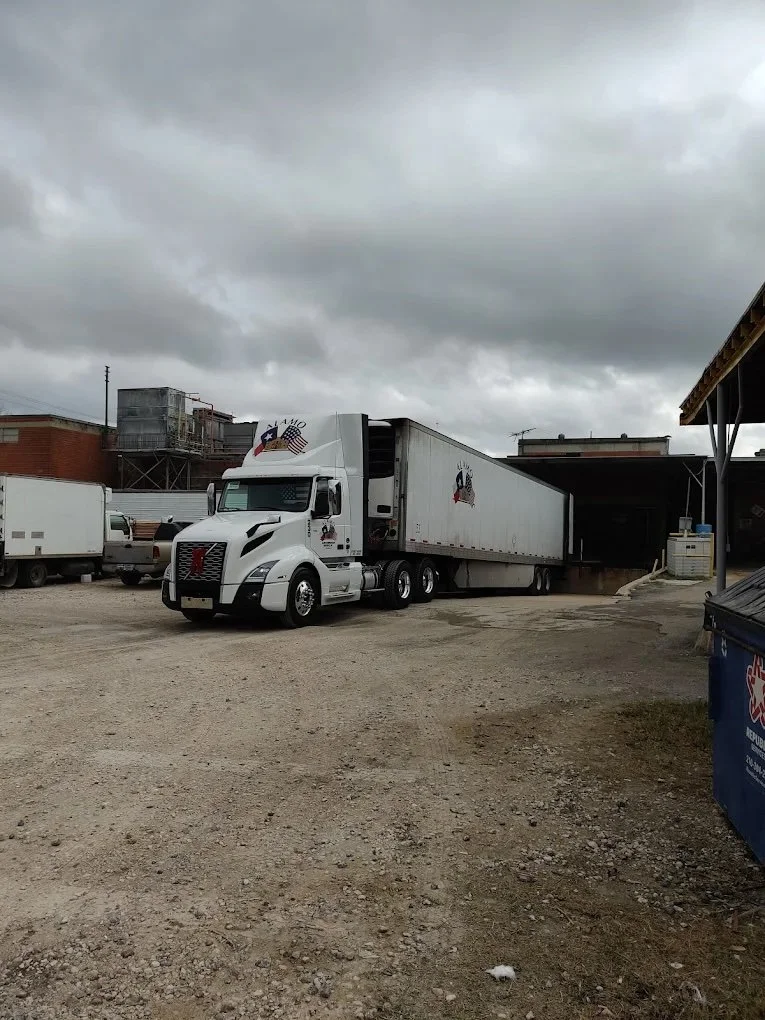
Most losses happen at the threshold, not deep in the rack. The dock turns a temperature-controlled building into a wind tunnel if bad habits prevail. I have walked docks where trailer doors opened before the truck was snug to the seal, or where air curtains were turned off because they were noisy. You can maintain a pristine 34 degree room and lose control in five minutes at the dock.
If you depend on frequent cross-docks or mixed-case picks, pay attention to:
- Number and condition of dock positions with pit levelers, seals, and restraints. Whether the facility uses temperature-controlled dock enclosures or at least dedicated refrigerated staging. Pick discipline. Do selectors travel from warm to cold or the other way around. How are dwell times controlled during case building.
This is where local operations matter. A refrigerated storage San Antonio TX provider should be able to show summer dock procedures, fan placements, and seal inspections. I prefer sites where the dock manager can rattle off door cycle counts and where there is a simple whiteboard with hour-by-hour volumes. It means they measure the right things.
Mistake 4: Buying on rate without understanding the billing model
A penny per pound looks cheap until you see accessorials layered like sediment. I have reviewed invoices where storage was modest but the facility billed aggressively for case picks, rework, labeling, loadout charges, and pallet exchanges. None of those are illegitimate. They just need to match your operating reality.
If you are distributing mixed-SKU pallets with frequent short-notice orders, the pick fees will dwarf storage rent. If you are moving full pallets in and out on scheduled lanes, storage becomes the headline. Ask for a model invoice based on your last month’s order profile. The good providers will build one using your SKU list, average pallet heights, and daily order counts. They may even show you the break-even point between case pick and full-pallet storage.
For small brands growing into wholesale, be honest about your trajectory. A facility that seems “too big” may be more economical once you cross a certain order complexity. Conversely, a smaller cold storage facility near me might give you a better blend of flexibility and lower minimums for the first year.
Mistake 5: Forgetting about data and traceability
Temperature logs matter, but traceability now means more than a chart recorder. Retailers and regulators expect lot control, FEFO rotation, and rapid recall capability. You want a provider whose WMS integrates with your ERP or at least exports clean data in a standard format. Manual spreadsheets or mismatched identifiers cause inventory drift and painful investigations.
During evaluation, ask for a live demo with your data. Watch how they receive an ASN, how they capture lot and expiry at receiving, how they pick FEFO by rule rather than by operator memory, and how they handle exceptions when the system suggests a location that is temporarily blocked. Time how long it takes to produce a recall report for a specified lot range. Anything more than a couple of minutes means you will lose hours when the pressure is on.
Some providers offer API access or EDI, and in markets like cold storage San Antonio TX there are operators who grew up serving national retailers and have robust systems. Others excel in physical operations but run lightweight software. Either can work if you cold storage facility san antonio tx plan the interfaces and staff accordingly.
Mistake 6: Assuming food safety certifications are interchangeable
It is easy to tick a box: “GFSI certified.” That label covers several schemes, from SQF to BRCGS to FSSC 22000, each with different emphases. Many customers will accept any GFSI benchmarked scheme, but some categories prefer or require one over another. More important than the badge is the audit grade and the corrective action culture.
Ask to see the most recent audit summary, including nonconformances and how quickly they were closed. Ask how they manage glass and brittle plastic, allergen segregation, and foreign material controls when they perform rework like stickering or repacking. In a mixed allergen environment, do they use dedicated rooms or time-and-space separation with validated sanitation between runs. The answers will tell you if the certificate reflects daily habits or just a clean week before auditors arrive.
Mistake 7: Overlooking labor stability and training
Refrigerated storage is still a people business. The difference between a 99.8 percent and a 98.5 percent inventory accuracy rate hides in how a facility trains new selectors, handles peak season temps, and staffs night shifts. I once worked with a site that had beautiful equipment and terrible turnover. We spent months chasing phantom cases that turned out to be mislocated during understaffed weekends.
Ask for the average tenure of leads and supervisors in the cooler and freezer. Training programs should include not just WMS screens but also cold stress prevention, proper use of gloves and liners, and how to handle condensation to prevent slips. In San Antonio, where summer heat is intense, the transition from hot docks to cold rooms can stress staff. Providers that schedule acclimation breaks and provide proper gear see fewer errors and injuries.
Mistake 8: Neglecting access and transportation fit
Finding the right cold storage facility near me also means considering truck access, yard space, appointment flexibility, and carrier mix. If your carriers face two-hour queues regularly, detention charges will erase any savings. For local distribution in and around San Antonio, early morning windows matter because of heat and traffic. For interstate moves, proximity to I‑10 and I‑35 is an advantage, but only if the site manages peak hour congestion.
Look at the yard layout. Can reefers park with doors closed while staged for the next morning. Are there enough plug-ins. Are washouts available nearby. Some facilities coordinate with local carriers to bundle short hauls and consolidate LTL, which can shave a day off delivery times to Houston or Austin. If your customers penalize late deliveries, that reliability is worth more than a small rate difference.
Mistake 9: Skipping a stress test
Walk-throughs on quiet Wednesdays tell you little. Do a stress test. Schedule a visit on a heavy inbound day, ask to see a high-velocity pick period, or time a full cycle from gate to gate. The best cold storage providers are proud to show you the chaos under control. If they bristle, that is information. For regulated products, watch how they segregate holds and manage returns. I recall a facility that aced the tour, then stumbled when we simulated a carrier arrival one hour early without an appointment. The overnight supervisor made the right call, staged the load in a controlled dock area, and logged a variance. That single act won them the business.
Mistake 10: Treating the relationship as transactional
You can rent space anywhere. What you want is a partner that will pick up the phone at 2 a.m., that will add a temporary swing room during your harvest surge, and that will handle last-mile labeling for a retailer when your co-packer slips a week. Those favors are earned with transparency, clean paperwork, and realistic forecasts. Share your promotion calendar. Tell them if you are trialing a new carton that might stack differently. Agree on a quarterly business review cadence and show up prepared with your data, not anecdotes.
In markets like refrigerated storage San Antonio TX, relationships also help during extreme weather. A provider that knows your business will prioritize your most sensitive lots if a rolling outage hits or if road closures force re-sequencing pickups.
Local considerations for San Antonio and South Texas
The San Antonio area adds a few wrinkles. Heat loads in summer demand robust insulation and door discipline. The long tail of small, independent grocers and restaurants means a lot of case picking and mixed-temperature routes. Proximity to border crossings matters for some shippers who import fresh product through Laredo or Pharr, then position it in a cold storage facility San Antonio TX to reach central Texas and beyond.
Water management also deserves attention. Evaporative condensers and roof drainage need disciplined maintenance to prevent corrosion and to manage severe thunderstorms. Ask about roof age and inspection schedules. Hail events are not frequent but do happen. A compromised roof over a freezer shows up as ice stalactites months later.
Labor sourcing is a strength locally, with experienced operators who have worked in cold environments. Bilingual training materials and supervisors help reduce errors during cross-training. If your labeling or documentation has language-sensitive steps, ask how the facility handles that. A small investment in multilingual SOPs pays dividends.
How to structure your selection process
It is tempting to rush. Availability can be tight, and production does not wait. Still, a disciplined sequence avoids costly mistakes.
Start with your product requirements mapped to temperatures, humidity, and handling rules. Convert those into a one-page spec that any operations manager can understand. Then build a short list using a mix of referrals, industry directories, and that unavoidable search for refrigerated storage near me. At this stage, do not send a generic RFP. Call and talk to the operations lead. The first conversation tells you more about culture than a PDF.
Schedule site visits close together so the experience stays fresh. Bring someone from quality or food safety. Bring a transportation person. Take photos of dock seals, fan guards, floor conditions, and racking labels. Ask to see the room where they keep their sanitation chemicals and MSDS sheets. Observe restrooms and break rooms. Facilities that care about staff spaces usually care about details on the floor.
If San Antonio is your hub, visit at least one facility on the south side closer to I‑35, one near I‑10, and one farther out with land and lower congestion. The trade-offs are real. Closer to the urban core means better driver choice and shorter drays, but tighter yards and busier docks. Farther out means better parking and sometimes newer buildings, but longer legs to customers.
Finally, run a pilot. Start with a single SKU family or a subset of orders. Monitor temperature traces, pick accuracy, appointment adherence, and communication quality for 30 to 60 days. A pilot costs time, but it catches the small problems that turn into chronic frustrations.
A realistic look at costs
Pricing often divides into storage, handling, and value-added services. Storage is per pallet per week or month, sometimes tiered by height or cube. Handling fees appear on every in and out. Value-add covers labeling, case picks, rework, and special projects. A few operators in competitive markets will offer bundled rates that include a set number of touches. That can make sense if your profile is predictable. If you have spiky volumes or seasonal promotions, unbundle so you are not subsidizing empty weeks.
Energy surcharges rise and fall with utility rates. In a hot summer, expect them to tick up. Before signing, ask how surcharges are calculated and when they are reviewed. Also clarify shrink policies. A good facility will warrant low shrink, but will carve out exceptions for concealed damage or product packaged below spec.

Pay attention to minimums and term. A cold storage facility often wants a six to twelve month commitment to allocate space confidently. That is reasonable, but you can ask for a ramp to match your forecast or for the right to flex between cooler and freezer if your mix changes.
Red flags that deserve a second look
I keep a short list of signs that a facility needs extra scrutiny. None are automatic disqualifiers, but each warrants questions.
- Condensation along door frames or persistent ice at thresholds, which signals air balance issues. Unlabeled or mismatched racking locations that suggest inventory discipline problems. A scarcity of calibrated probes or a lack of documented temperature checks at receiving. Generators that look clean but have old tags or no test run logs. An operations leader who cannot describe how they handled the last outage, major recall, or equipment failure.
Good facilities welcome tough questions. They will tell you about a failure and what they changed. That humility beats a glossy tour every time.
Making the decision
After you gather data, trust both the numbers and the feel. The right partner is the one that can show you their worst day and how they handled it, that quotes a fair price and explains it, and that treats your product as if their name were on the label. If you are choosing in or around San Antonio, factor the climate, the road network, and your customer geography. If your shipments tilt toward grocery distribution in central Texas, pick a location with easy access to morning windows. If you ship west along I‑10 or north into the Midwest, think about yard space and overnight reefer parking.
A cold storage facility is not just a warehouse with compressors. It is an extension of your brand. The right choice reduces worries you did not know you had, from ice crystals to mispicks to missed appointments. The wrong choice will show up in chargebacks, returns, and long nights. Take the time now so you do not spend it later.
A short checklist before you sign
Use this for your final pass. It will not capture every nuance, but it forces the essential questions.
- Do summer temperature traces match your product’s tolerance, including dock dwell times. Is there documented generator capacity, fuel plan, and test schedule, and do you understand partial vs full backup. Does the WMS support lot, expiry, and FEFO, and can they demo a recall report in minutes. Are dock seals, restraints, and staging areas designed for your load pattern, with procedures visible and enforced. Is the pricing model aligned with your order profile, including case picks and likely accessorials.
If you can answer yes to those, you are likely on solid ground. Whether you end up with a boutique refrigerated storage provider nearby or a larger cold storage San Antonio TX operation, you will have moved past the common pitfalls and toward a partnership that protects product, budget, and sleep.
Business Name: Auge Co. Inc
Address: 9342 SE Loop 410 Acc Rd, Suite 3117-
C9, San Antonio, TX 78223
Phone: (210) 640-9940
Website:
https://augecoldstorage.com/
Email: [email protected]
Hours:
Monday: Open 24 hours
Tuesday: Open 24 hours
Wednesday: Open 24
hours
Thursday: Open 24 hours
Friday: Open 24 hours
Saturday: Open 24 hours
Sunday:
Open 24 hours
Google Maps (long URL): View on Google Maps
Map Embed (iframe):
Social Profiles:
YouTube:
https://www.youtube.com/channel/UCuYxzzyL1gBXzAjV6nwepuw/about
Auge Co. Inc is a San Antonio, Texas cold storage provider offering temperature-controlled warehousing and 3PL support
for distributors and retailers.
Auge Co. Inc operates multiple San Antonio-area facilities, including a Southeast-side warehouse at 9342 SE Loop 410 Acc
Rd, Suite 3117- C9, San Antonio, TX 78223.
Auge Co. Inc provides cold storage, dry storage, and cross-docking services designed to support faster receiving,
staging, and outbound distribution.
Auge Co. Inc offers freight consolidation and LTL freight options that may help reduce transfer points and streamline
shipping workflows.
Auge Co. Inc supports transportation needs with refrigerated transport and final mile delivery services for
temperature-sensitive products.
Auge Co. Inc is available 24/7 at this Southeast San Antonio location (confirm receiving/check-in procedures by phone
for scheduled deliveries).
Auge Co. Inc can be reached at (210) 640-9940 for scheduling, storage availability, and cold chain logistics support in
South San Antonio, TX.
Auge Co. Inc is listed on Google Maps for this location here: https://www.google.com/maps/search/?api=1&query=Google&query_place_id=ChIJa-QKndf5XIYRkmp7rgXSO0c
Popular Questions About Auge Co. Inc
What does Auge Co. Inc do?
Auge Co. Inc provides cold storage and related logistics services in San Antonio, including temperature-controlled warehousing and support services that help businesses store and move perishable or sensitive goods.
Where is the Auge Co. Inc Southeast San Antonio cold storage location?
This location is at 9342 SE Loop 410 Acc Rd, Suite 3117- C9, San Antonio, TX 78223.
Is this location open 24/7?
Yes—this Southeast San Antonio location is listed as open 24/7. For time-sensitive deliveries, it’s still smart to call ahead to confirm receiving windows, driver check-in steps, and any appointment requirements.
What services are commonly available at this facility?
Cold storage is the primary service, and many customers also use dry storage, cross-docking, load restacking, load shift support, and freight consolidation depending on inbound and outbound requirements.
Do they provide transportation in addition to warehousing?
Auge Co. Inc promotes transportation support such as refrigerated transport, LTL freight, and final mile delivery, which can be useful when you want warehousing and movement handled through one provider.
How does pricing usually work for cold storage?
Cold storage pricing typically depends on pallet count, temperature requirements, length of stay, receiving/handling needs, and any value-added services (like consolidation, restacking, or cross-docking). Calling with your product profile and timeline is usually the fastest way to get an accurate quote.
What kinds of businesses use a cold storage 3PL in South San Antonio?
Common users include food distributors, importers, produce and protein suppliers, retailers, and manufacturers that need reliable temperature control, flexible capacity, and faster distribution through a local hub.
How do I contact Auge Co. Inc for cold storage in South San Antonio?
Call (210) 640-9940 to discuss availability, receiving, and scheduling. You can also
email [email protected]. Website: https://augecoldstorage.com/
YouTube: https://www.youtube.com/channel/UCuYxzzyL1gBXzAjV6nwepuw/about
Google Maps: https://www.google.com/maps/search/?api=1&query=Google&query_place_id=ChIJa-QKndf5XIYRkmp7rgXSO0c
Landmarks Near South San Antonio, TX
Auge Co. Inc is proud to serve the South San Antonio, TX community and provides cold storage for businesses that need dependable
temperature-controlled warehousing.
If you’re looking for cold storage in South San Antonio, TX, visit Auge Co. Inc near Brooks City Base.
Auge Co. Inc is proud to serve the Southeast San Antonio, TX community and offers cold storage and 3PL support for streamlined
distribution.
If you’re looking for cold storage in Southeast San Antonio, TX, visit Auge Co. Inc near Toyota Motor Manufacturing Texas.
Auge Co. Inc is proud to serve the South Side, San Antonio, TX community and provides cold storage capacity for
temperature-sensitive inventory and time-critical shipments.
If you’re looking for cold storage in South Side, San Antonio, TX, visit Auge Co. Inc near Stinson Municipal Airport.
Auge Co. Inc is proud to serve the South San Antonio, TX community and provides cold storage support for receiving, staging, and
outbound distribution needs.
If you’re looking for cold storage in South San Antonio, TX, visit Auge Co. Inc near South Park Mall.
Auge Co. Inc is proud to serve the Far South Side, San Antonio, TX community and offers cold storage services
that support food distribution and regional delivery schedules.
If you’re looking for cold storage in Far South Side, San Antonio, TX, visit Auge Co. Inc near Palo Alto College.
Auge Co. Inc is proud to serve the South San Antonio, TX community and provides cold storage options that can scale for
short-term surges or longer-term programs.
If you’re looking for cold storage in South San Antonio, TX, visit Auge Co. Inc near Mitchell Lake Audubon Center.
Auge Co. Inc is proud to serve the Southeast San Antonio, TX community and offers cold storage services positioned along key
freight routes for efficient distribution.
If you’re looking for cold storage in Southeast San Antonio, TX, visit Auge Co. Inc near Frost Bank Center.
Auge Co. Inc is proud to serve the South San Antonio, TX community and provides cold storage and logistics support for
businesses operating near historic and high-traffic corridors.
If you’re looking for cold storage in South San Antonio, TX, visit Auge Co. Inc near San Antonio Missions National Historical Park.
Auge Co. Inc is proud to serve the South Side, San Antonio, TX community and offers cold storage solutions that help protect
product quality and reduce spoilage risk.
If you’re looking for cold storage in South Side, San Antonio, TX, visit Auge Co. Inc near Mission San José.